Man and Machine: The History & Evolution of Engineering
The history of mechanical engineering is a long and fascinating one, filled with countless inventions and innovations that have transformed the world we live in. From the simple tools of the Stone Age to the complex systems of the modern age, mechanical engineering has been at the forefront of technological progress.
As a manufacturer, we understand the importance of quality control in ensuring that the products we produce meet the required quality standards. Our strict quality control process involves various technical aspects, such as Statistical Process Control (SPC), Inspection and Testing, Calibration, Root Cause Analysis, and Continuous Improvement.
Ancient Tools and Machines
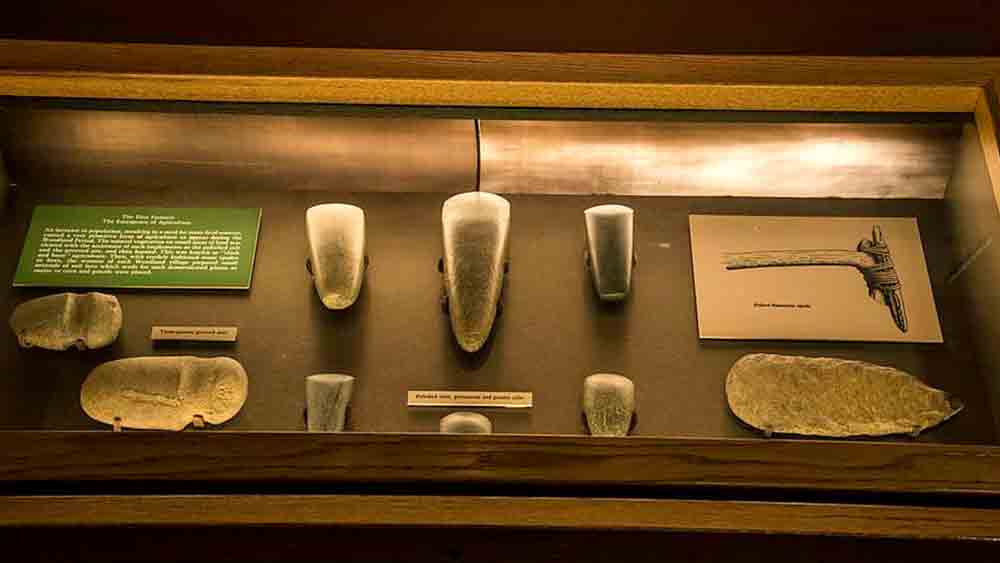
The earliest forms of mechanical engineering date back to the Stone Age, where humans used simple tools like stone axes and hammers for hunting and agriculture. The invention of the wheel in Mesopotamia around 3500 BCE revolutionized transportation, making it easier to move goods and people. The ancient Greeks and Romans also made significant contributions to mechanical engineering, such as the Archimedes Screw, which was used for irrigation and lifting water.
The Industrial Revolution
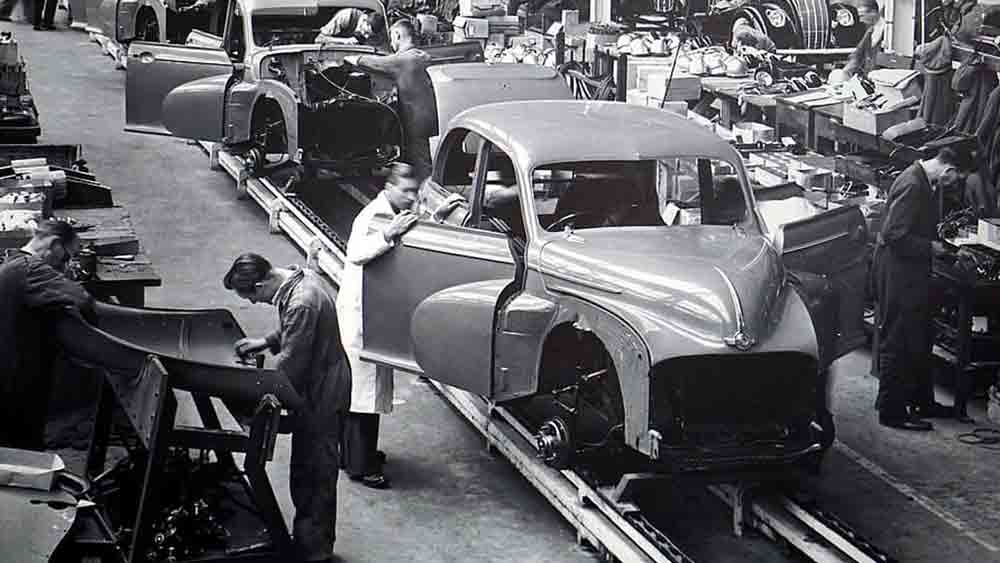
The Industrial Revolution in the 18th and 19th centuries marked a turning point in the evolution of mechanical engineering. The invention of the steam engine by James Watt in 1775 transformed the way people lived and worked. The steam engine powered the factories, railways, and ships that propelled the Industrial Revolution. This period also saw the development of the cotton gin, power loom, and other machines that revolutionized the textile industry.
20th Century and Beyond
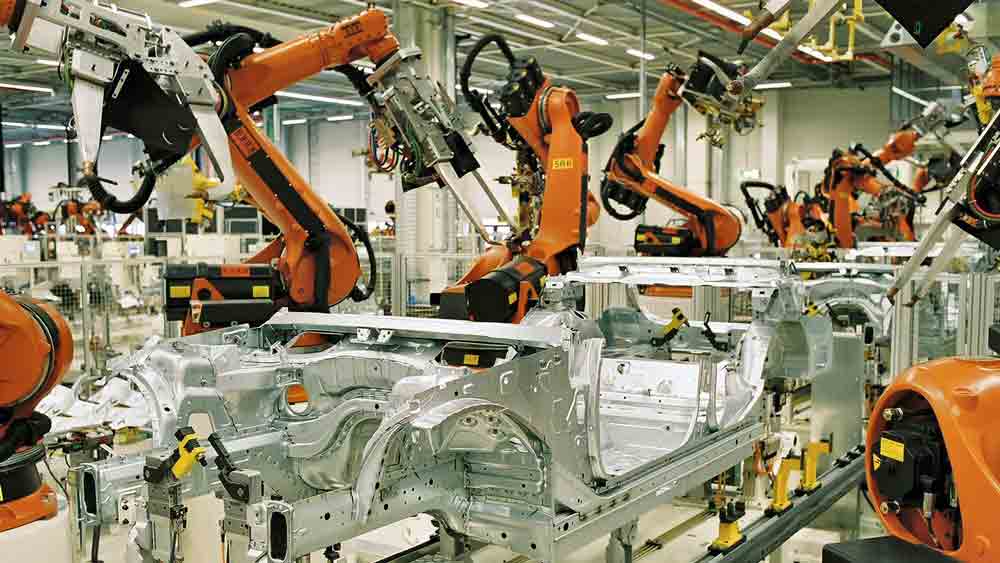
The 20th century saw significant advancements in mechanical engineering. The internal combustion engine, invented in the late 19th century, led to the development of the automobile, which transformed transportation. The Wright Brothers’ first flight in 1903 marked the beginning of modern aviation, leading to the development of commercial airplanes and space travel.
The digital age also brought about significant changes to mechanical engineering. The invention of the computer and the development of computer-aided design (CAD) revolutionized the way engineers design and test machines. The rise of robotics and automation has led to the development of sophisticated machines that can perform complex tasks with precision.
Some Key-Moments in engineering evolution:
- Invention of the wheel – around 3500 BCE
- Development of the Archimedes Screw – 3rd century BCE
- Invention of the steam engine by James Watt – 1775
- Development of the cotton gin – 1793
- First flight by the Wright Brothers – 1903
- Invention of the internal combustion engine – 1876
- Introduction of computer-aided design (CAD) – 1957
- First industrial robot – 1961
- Use of carbon fiber composites in aerospace industry – 1970s
- Emergence of nanotechnology – 1980s
- First solar-powered car – 1983
- Development of big data analytics – 2000s
- Introduction of the Internet of Things (IoT) – 2000s
As the field of mechanical engineering continues to evolve and advance, it becomes increasingly important for companies to partner with the right engineering solution providers like us, who can offer the appropriate technologies and expertise to meet their needs. BES can offer a range of services, from product development to manufacturing with improved quality & reduced costs.