- March 6, 2023
- BES
- 0
Quality Control (QC) is an essential process in manufacturing that ensures the products meet the required quality standards. The process of QC involves the inspection, testing, and analysis of the product to identify any defects and deviations from the required specifications. The aim is to ensure that the final product meets the customer’s expectations and requirements.
As a manufacturer, we understand the importance of quality control in ensuring that the products we produce meet the required quality standards. Our strict quality control process involves various technical aspects, such as Statistical Process Control (SPC), Inspection and Testing, Calibration, Root Cause Analysis, and Continuous Improvement.
Various technical aspects are involved in the QC process, which helps to ensure that the final product is of high quality.
Some of these technical aspects include:
Statistical Process Control (SPC)
SPC is a technique used to control the quality of the product during the manufacturing process. It involves the use of statistical methods to monitor and control the process variables, such as temperature, pressure, and speed. SPC helps to identify any variations in the process and provides early warning signals to the operators. This allows them to take corrective actions to prevent the occurrence of defects.
Inspection and Testing
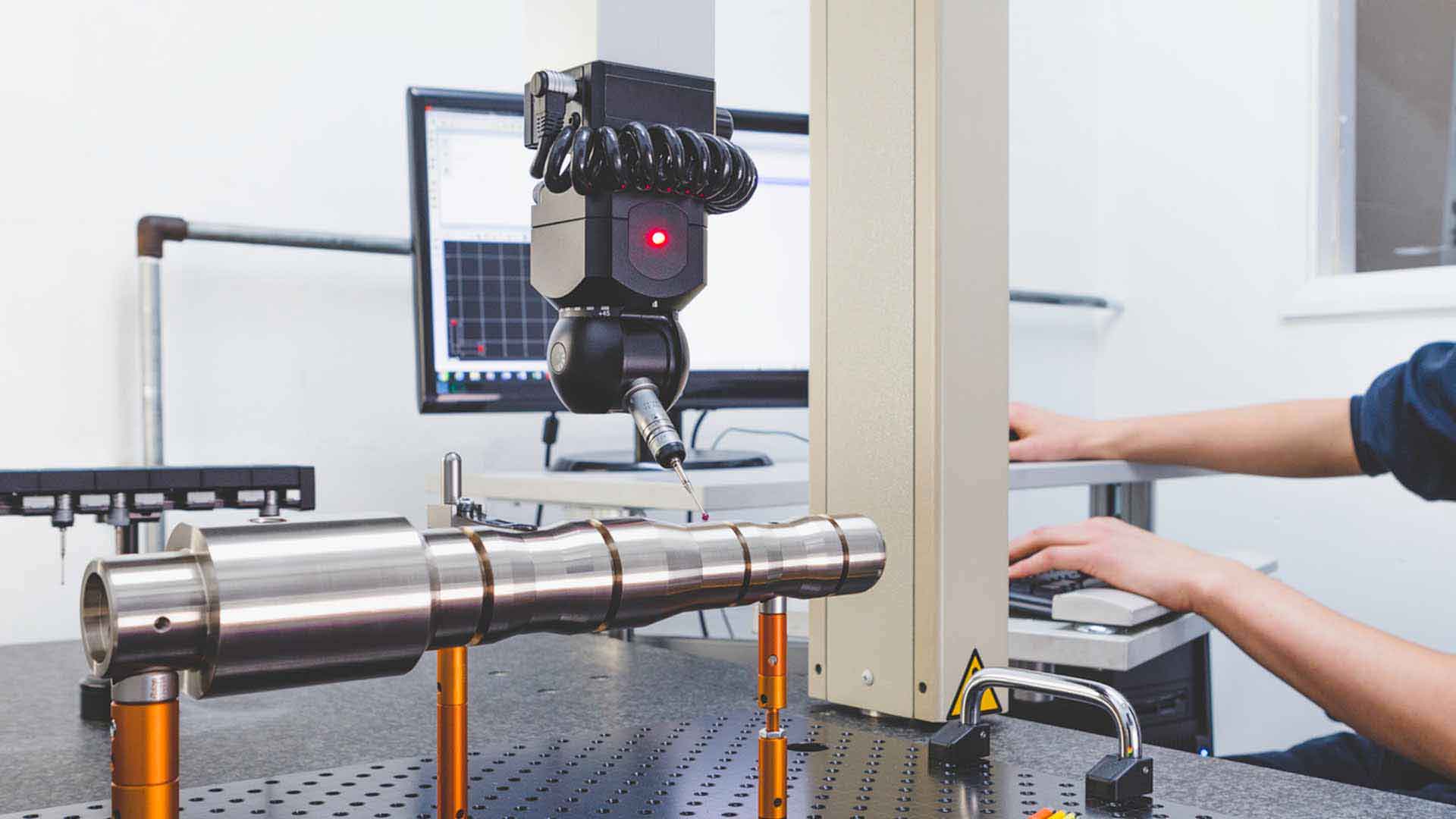
Inspection and testing are critical components of the QC process. Inspection involves a visual examination of the product to identify any defects, while testing involves the use of specialized equipment to evaluate the product’s performance. The results of the inspection and testing help to identify any deviations from the required specifications and allow for corrective actions to be taken.
Calibration
Calibration is the process of adjusting the measuring instruments to ensure that they provide accurate and consistent results. The instruments used for QC, such as gauges and measuring devices, need to be calibrated regularly to ensure that they meet the required standards.
Root Cause Analysis
Root Cause Analysis (RCA) is a problem-solving technique used in QC to identify the underlying causes of defects and deviations from the required specifications. RCA involves a systematic approach to identify the primary cause of the problem and to develop solutions to prevent its recurrence.
Continuous Improvement
Continuous Improvement is a philosophy that emphasizes the need for ongoing improvements in the manufacturing process. This involves the use of various tools and techniques, such as Kaizen and Lean Manufacturing, to eliminate waste, improve efficiency, and increase productivity.
To summarize, these are the key factors for a robust Quality-Control process.
Statistical Process Control (SPC)
Inspection and Testing
Calibration
Root Cause Analysis
Continuous Improvement
In conclusion, Quality Control is an essential process in manufacturing that ensures the products meet the required quality standards. By implementing these techniques, manufacturers can reduce the occurrence of defects, increase customer satisfaction, and improve their bottom-line.